
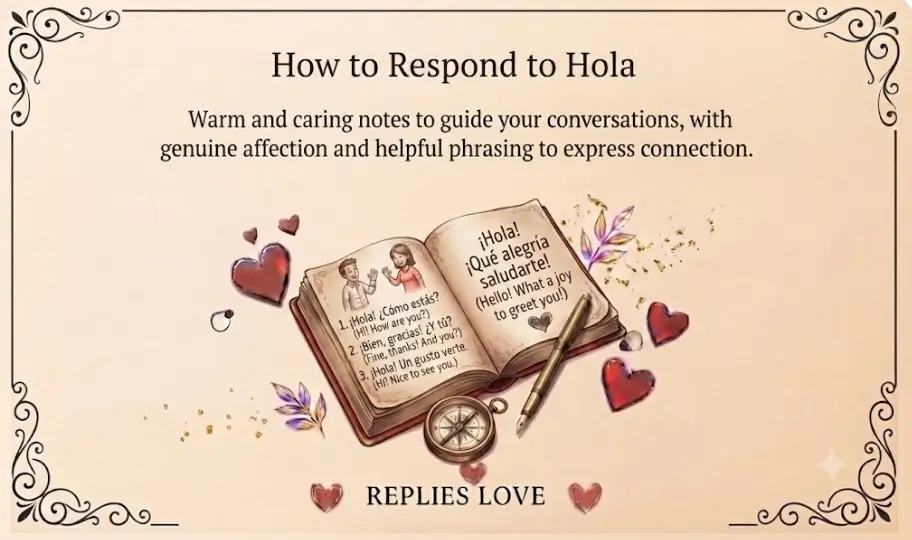
Responses to “Hola” can be simple or creative. Whether it’s from a friend, a crush, a coworker, or someone new, your reply shapes the chat. A friendly response makes the other person feel welcome. A funny or flirty reply adds personality and keeps things interesting.
There’s no perfect answer. The best response depends on the situation and your relationship. In this guide, you’ll find great responses to “Hola” for different occasions. You can reply with confidence. Use a casual or professional tone. Be funny or respond in Spanish. This helps keep the conversation flowing.
What Does “Hola” Mean?
“Hola” is the Spanish word for “Hello.” One of the most popular greetings in the world starts a friendly conversation. People say “Hola” when meeting someone in person, talking on the phone, or sending a text message.
It’s good for casual and polite situations. It’s a simple and versatile greeting. When someone says “Hola,” you can say “Hola” back. You can also ask, “Hola, ¿cómo estás?” to keep the chat going. or another appropriate greeting.
Meaning of “Hola”
The word **”Hola”** means **”Hello”** in Spanish. It’s a friendly way to greet someone or start a chat. People of all ages use “Hola.” You can say it in a casual manner or in a polite manner.
It works for face-to-face meetings, phone calls, or text messages. Because it’s easy to say and widely known, “Hola” is often one of the first words that people learn in Spanish.
When People Commonly Say “Hola”
People often say “Hola” to greet others warmly. You can use it anytime. Meet a friend, greet a coworker, welcome a guest, or chat with someone new. You’ll hear “Hola” in phone calls.
You’ll see it in texts, social media, and daily chats in Spanish-speaking countries. Its versatility makes it a popular greeting in Spanish.
How to Respond to Hola (Quick Answer)
The best reply to “Hola” depends on the situation. It also depends on how well you know the person. In most cases, a reply of “¡Hola!” suffices. is friendly and natural.
If you want to keep the conversation going, you can add a question such as “¿Cómo estás?” (How are you?), “¿Qué tal?” (How’s it going?), or greet them by name. A warm and polite response makes a good impression. This is true in casual, formal, or online conversations.
The Best Quick Responses
- Hola!
- ¡Hola! ¿Cómo estás? (Hello! How are you?)
- ¡Hola! Me alegra verte. (Hello! Nice to see you.)
- ¡Hola! ¿Qué tal? (Hello! How’s it going?)
- ¡Hola! ¿Cómo te va? (Hello! How are things?)
- ¡Hola! Buenos días. (Hello! Good morning.)
- ¡Hola! Buenas tardes. (Hello! Good afternoon.)
- ¡Hola! Buenas noches. (Hello! Good evening/night.)
- ¡Hola! ¿Qué hay de nuevo? (Hello! What ‘s new?)
- ¡Hola! Encantado de verte. (Hello! Glad to see you.)
Choose the Right Reply for the Situation
The best response to “Hola” depends on who is greeting you and where the conversation is taking place. If you’re talking to a friend or family member, a relaxed reply like “¡Hola! ¿Qué tal?” feels natural.
In a professional setting, it’s best to use polite phrases. Try “Hola, mucho gusto” or “Buenos días.” For text messages or social media, a simple “¡Hola!” or “¡Hola! ¿Cómo estás?” keeps the conversation friendly and easy to continue.
Adjusting your reply to fit the situation boosts your confidence. It also makes you sound respectful and natural.
Best Responses to “Hola”
- Hola! – A simple, friendly reply that works in almost any situation.
- ¡Hola! ¿Cómo estás? – Great for starting a warm and natural conversation.
- ¡Hola! ¿Qué tal? – A casual response that asks how the other person is doing.
- ¡Hola! Me alegra verte. – A cheerful reply when you’re happy to see someone.
- ¡Hola! Buenos días. – A polite morning greeting for formal or casual settings.
- ¡Hola! Buenas noches. – A friendly greeting for the evening or nighttime.
- ¡Hola! ¿Qué hay de nuevo? – A fun way to ask what ‘s new.
- ¡Hola! Mucho gusto. – Perfect when meeting someone for the first time.
- ¡Hola! ¿Cómo te va? – A natural response that keeps the conversation going.
Most Popular Replies
- Hola! – The most common and universal response.
- ¡Hola! ¿Cómo estás? – Friendly and perfect for everyday conversations.
- ¡Hola! ¿Qué talk? – A casual way to ask how someone is doing.
- Buenos días. – A polite morning greeting.
- Buenas tardes. – A respectful afternoon response.
- Buenas noches. – Ideal for evening or nighttime greetings.
- Mucho gusto. – Best when meeting someone for the first time.
- ¡Hola! Me alegra verte. – A warm reply when you’re happy to see someone.
- ¿Cómo te va? – A natural way to continue the conversation.
- ¡Qué bueno verte! – A cheerful response that shows excitement about seeing someone.
Everyday Responses
- Hola! – A simple reply you can use every day.
- ¡Hola! ¿Cómo estás? – A friendly response for regular conversations.
- ¡Qué tal? – A relaxed greeting that fits casual chats.
- ¡Hola! ¿Cómo va todo? – A nice way to ask how everything is going.
- ¡Hola! ¿Qué haces? – A menudo response when talking to friends.
- ¡Hola! Qué bueno verte. – Great when meeting someone you know.
- ¡Hola! Todo bien, ¿y tú? – Perfect when you want to ask back.
- ¡Hola! Espero que estés bien. – A thoughtful and caring reply.
- ¡Hola! ¿Cómo estado? – Ideal if you haven’t seen the person for a while.
- ¡Hola! Encantado de verte. – A warm greeting for both casual and polite situations.
Basic Replies to Hola (Beginner-Friendly)
- Hola! – The easiest and most common reply for beginners.
- ¡Hola! ¿Cómo estás? – A friendly way to say hello and ask how someone is doing.
- Buenos días. – A polite response to use in the morning.
- Buenas tardes. – A respectful greeting for the afternoon.
- Buenas noches. – A suitable reply during the evening or at night.
- Mucho gusto. – A great response when meeting someone for the first time.
- Bien, gracias. ¿Y tú? – A simple way to say, “I’m fine, thank you. And you?”
- Todo bien, gracias. – An easy response meaning, “Everything is good, thanks.”
- Encantado de conocerte. – A polite phrase meaning, “Nice to meet you.”
- Gracias. ¿Cómo te va? – A beginner-friendly reply that keeps the conversation going.
Simple & Easy
- Hola! – A quick and friendly reply anyone can use.
- ¡Hola! ¿Cómo estás? – A simple way to greet someone and ask how they are.
- Buenos días. – An easy morning greeting.
- Buenas tardes. – A polite afternoon response.
- Buenas noches. – A common greeting for the evening or night.
- Bien, gracias. – A basic reply meaning, “I’m fine, thank you.”
- ¿Y tú? – A short way to ask, “And you?”
- Mucho gusto. – Perfect when meeting someone for the first time.
- Qué bueno verte. – A friendly way to say, “Good to see you.”
- Hasta luego. – A simple phrase to use if you’re ending the conversation.
Beginner Spanish Greetings
- Hola – The most common way to say “Hello.”
- Buenos días – A polite greeting meaning “Good morning.”
- Buenas tardes – Used to say “Good afternoon.”
- Buenas noches – Means “Good evening” or “Good night.”
- ¿Cómo estás? – A friendly way to ask, “How are you?”
- ¿Qué tal? – A casual greeting that means “How’s it going?”
- Mucho gusto – A polite phrase meaning “Nice to meet you.”
- Encantado/a – Means “Pleased to meet you.”
- ¿Cómo te va? – A simple way to ask, “How are things going?”
- Hasta luego – A common farewell meaning “See you later.”
Common Spanish Replies to Hola
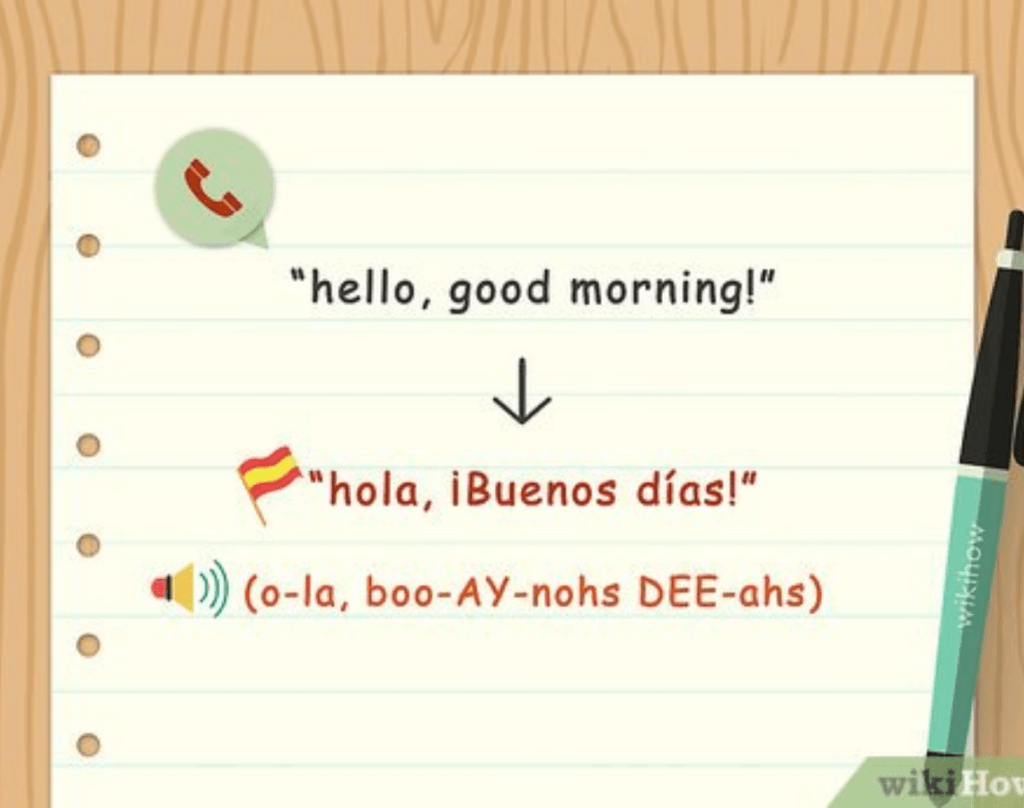
- ¡Hola! – The most common and natural reply.
- ¡Hola! ¿Cómo estás? – A friendly response that starts a conversation.
- ¡Qué talk? – A casual way to ask how someone is doing.
- ¡Muy bien, gracias! – Means, “Very well, thank you.”
- ¡Bien, ¿y tú? – A polite reply meaning, “Good, and you?”
- ¡Todo bien! – A simple response meaning, “Everything’s good!”
- ¡Mucho gusto! – Perfect when meeting someone for the first time.
- ¡Me alegra verte! – Means, “I’m happy to see you!”
- ¡Qué gusto verte! – A warm way to say, “It’s great to see you!”
- ¡Igualmente! – Means, “Likewise!” and is often used after a kind greeting or compliment.
Natural Spanish Responses
- ¡Hola! – A simple and natural response for any situation.
- ¡Hola! ¿Cómo estás? – A warm greeting that keeps the conversation going.
- ¡Qué talk? – A relaxed way to ask how someone is doing.
- ¡Todo bien, gracias! – Means, “Everything’s good, thank you.”
- ¡Bien, ¿y tú? – A friendly reply meaning, “I’m good, and you?”
- ¡Me alegra verte! – A natural response when you’re happy to see someone.
- ¡Qué gusto verte! – Means, “It’s great to see you!”
- ¡Cómo estado? – A thoughtful greeting for someone you haven’t seen in a while.
- ¡Todo va bien! – A positive response meaning, “Everything is going well.”
- ¡Mucho gusto! – A polite and natural reply when meeting someone new.
Native-Like Greetings
- ¡Hola! ¿Qué tal? – A very common greeting used by native Spanish speakers.
- ¡Hola! ¿Cómo va todo? – Means, “Hi! How’s everything going?”
- ¡Ey, hola! – A relaxed and friendly greeting among friends.
- ¡Hola! ¿Cómo te va? – A natural way to ask how life is going.
- ¡Qué gusto verte! – Means, “Great to see you!”
- ¡Me alegro de verte! – A warm greeting meaning, “I’m glad to see you.”
- ¡Buenas! A brief and casual greeting frequently used by native speakers.
- ¡Hola! Tanto tiempo. – Means, “Hi! Long time no see.”
- ¡Hola! ¿Qué cuentas? – A casual way to ask, “What ‘s new?”
- ¡Qué bueno verte otra vez! – Means, “It ‘s so good to see you again!”
Polite Ways to Respond to Hola
- ¡Hola! Mucho gusto. – A respectful reply when meeting someone for the first time.
- ¡Hola! ¿Cómo está usted? – A formal way to ask, “How are you?”
- Buenos días. – A polite morning greeting for professional or formal settings.
- Buenas tardes. – A courteous response to use in the afternoon.
- Buenas noches. – A respectful greeting for the evening or nighttime.
- Es un placer conocerle. – Means, “It’s a pleasure to meet you.”
- Muy bien, gracias. ¿Y usted? – A formal response meaning, “Very well, thank you. And you?”
- Gracias por saludar. – Means, “Thank you for saying hello.”
- Me alegra conocerle. – A polite way to say, “I’m glad to meet you.”
- Que tenga un buen día. – Means, “Have a nice day,” and leaves a positive impression.
Respectful & Kind
- ¡Hola! ¿Cómo está usted? – A respectful greeting for formal conversations.
- Mucho gusto. – A polite way to say, “Nice to meet you.”
- Es un placer conocerle. – Means, “It’s a pleasure to meet you.”
- Buenos días. – A kind and professional morning greeting.
- Buenas tardes. – A courteous response for the afternoon.
- Buenas noches. – A respectful greeting for the evening or night.
- Muy bien, gracias. ¿Y usted? – A formal reply that shows good manners.
- Me alegra conocerle. – A warm and respectful way to greet someone new.
- Que tenga un excelente día. – Means, “Have a wonderful day.”
- Gracias, es un gusto saludarle. – A kind response that expresses appreciation and respect.
Courteous Replies
- ¡Hola! Mucho gusto. – A polite response when meeting someone new.
- ¡Hola! ¿Cómo está usted? – A respectful way to greet someone formally.
- Buenos días. – A courteous reply for morning conversations.
- Buenas tardes. – A polite greeting to use in the afternoon.
- Buenas noches. – A respectful response during the evening or night.
- Muy bien, gracias. ¿Y usted? – A formal reply that shows good manners.
- Es un placer saludarle. – Means, “It’s a pleasure to greet you.”
- Gracias por su saludo. – A kind response meaning, “Thank you for your greeting.”
- Que tenga un buen día. – A thoughtful way to end the conversation politely.
- Me alegra verle. – A respectful way to say, “I’m glad to see you.”
Formal & Professional Replies to Hola
- ¡Hola! ¿Cómo está usted? – A formal and respectful greeting for professional settings.
- Buenos días. – A polite response for morning meetings or business conversations.
- Buenas tardes. – A professional greeting to use during the afternoon.
- Buenas noches. – A courteous reply for evening events or formal occasions.
- Mucho gusto en conocerle. – Means, “It’s a pleasure to meet you.”
- Es un placer saludarle. – A respectful way to greet a client or colleague.
- Muy bien, gracias. ¿Y usted? – A formal response that continues the conversation politely.
- Gracias por su saludo. – A courteous way to acknowledge someone’s greeting.
- Espero que tenga un buen día. – A professional response that wishes the other person well.
- Encantado de conocerle. – A classic formal phrase meaning, “Delighted to meet you.”
Workplace or Formal Settings
- Buenos días – un saludo profesional de la mañana para el lugar de trabajo
- Buenas tardes – Una respuesta educada por la tarde durante el horario laboral
- Buenas noches: un saludo respetuoso para reuniones o eventos nocturnos
- ¡Hola! ¿Cómo está usted? – Una forma formal de saludar a un cliente, gerente o colega
- Mucho gusto en conocerle – Perfecto al conocer a alguien por primera vez
- Es un placer saludarle: una respuesta cortés que muestra profesionalismo
- Muy bien, gracias. ¿Y usted? – Una respuesta formal que mantiene la conversación educada
- Espero que se encuentre bien – un saludo reflexivo que muestra respeto
- Gracias por su saludo: una forma educada de reconocer el saludo de alguien
- Le deseo un excelente día: una despedida profesional que deja una impresión positiva
Business-Friendly Greetings
- Buenos días – un saludo profesional por la mañana para clientes y compañeros de trabajo
- Buenas tardes – Un saludo respetuoso para conversaciones de negocios por la tarde
- Buenas noches – Una opción educada para reuniones o eventos por la tarde
- ¡Hola! ¿Cómo está usted? – Una forma de saludar a alguien en un entorno empresarial
- Es un placer saludarle: una frase cortés que significa “Es un placer saludarte.”
- Mucho gusto en conocerle – Ideal para conocer a un cliente o socio comercial por primera vez
- Espero que se encuentre bien – un saludo reflexivo y profesional
- Gracias por su saludo: una forma educada de reconocer el saludo de alguien
- Le deseo un excelente día – un cierre respetuoso que deja una impresión positiva
Casual & Friendly Replies to Hola
- ¡Hola! ¿Qué tal? – Una forma relajada y amigable de decir hola
- ¡Hola! ¿Cómo estás? – Una respuesta cálida que mantiene la conversación en marcha
- ¡Ey, hola! – Una forma divertida e informal de saludar a los amigos
- ¡Hola! ¿Qué hay? – casual de preguntar, “¿Qué pasa?”
- ¡Todo bien, ¿y tú? – Significa: “Todo está bien, ¿y tú?”
- ¡Qué gusto verte! – Una respuesta alegre cuando estás feliz de ver a alguien
- ¡Hola! ¿Qué cuentas? – Una forma amistosa de preguntar, “¿Qué hay de nuevo?”
- ¡Hola! ¿Cómo va todo? – A natural que pregunta cómo va todo.
- ¡Me alegra verte! – Una cálida respuesta que significa, “¡Me alegra verte!”
- ¡Hola! Tanto tiempo: significa “Hi! Long time no see,” perfecto para reconectar con alguien
Relaxed & Everyday
- ¡Hola! – A simple and natural para conversaciones cotidianas
- ¡Hola! ¿Qué tal? – Una forma amistosa de preguntar cómo está alguien
- ¡Hola! ¿Cómo estás? – Un saludo cálido que funciona con amigos y familia
- ¡Ey, hola! – A casual que se usa a menudo con amigos cercanos
- ¡Todo bien! – Significa “¡Todo está bien!” y mantiene la conversación ligera
- ¡Bien, gracias! – Una respuesta educada y fácil que significa “Bien, gracias!”
- ¡Qué gusto verte! – Una manera alegre de decir: “¡Qué bueno verte!”
- ¡Hola! ¿Qué hay de nuevo? – Una forma relajada de preguntar, “¿Qué hay de nuevo?”
- ¡Hola! ¿Cómo va todo? – A natural que significa, “¿Cómo va todo?”
Friendly Conversations
- ¡Hola! ¿Cómo estás? – Un saludo cálido que muestra que te importa
- ¡Qué tal! – Una manera casual de preguntar cómo está alguien
- ¡Hola! ¿Qué hay de nuevo? – Una forma amistosa de preguntar, “¿Qué hay de nuevo?”
- ¡Hola! ¿Cómo va todo? – Una respuesta natural que mantiene la conversación fluyendo
- ¡Todo bien, ¿y tú? – Significa: “Todo está bien, ¿y tú?”
- ¡Me alegra verte! – Una respuesta alegre cuando estás feliz de ver a alguien
- ¡Qué gusto verte! – Una forma amable de decir: “¡Es genial verte!”
- ¡Hola! ¿Qué cuentas? – Un saludo relajado que significa “¿Qué ha estado pasando?”
- ¡Hola! Tanto tiempo – Perfecto para saludar a alguien que no has visto en un tiempo.
- ¡Qué bueno verte otra vez! – Una cálida respuesta que significa: “¡Es tan bueno verte de nuevo!”
Funny Ways to Respond to Hola
- ¡Hola! I was waiting for your message! – A playful reply to make someone smile.
- ¡Hola! You finally remembered me! – A lighthearted response for friends.
- ¡Hola! Is this my fan club calling? – A funny way to keep the mood cheerful.
- ¡Hola! What’s the good news today? – A humorous reply that starts a conversation.
- ¡Hola! I charge for replies now – A joking response that gets a laugh.
- ¡Hola! Did you bring snacks? – A silly reply for close friends.
- ¡Hola! You read my mind! – A fun response when someone messages at the right time.
- ¡Hola! I knew you would say that! – A playful line for casual chats.
- ¡Hola! Ready for another adventure? – A cheerful reply for friends who like to joke.
- ¡Hola! You made my phone happier – A cute and funny response for text conversations.
Add Humor
- ¡Hola! I was beginning to think you forgot me! – A playful reply that teases your friend.
- ¡Hola! Did you practice that greeting? – A light joke to keep things fun.
- ¡Hola! You’re in time to entertain me. – A funny response for casual chats.
- ¡Hola! I knew my phone would ring sooner or later. – A humorous way to welcome a message.
- ¡Hola! Is this the VIP section now? – A cheeky reply that adds personality.
- ¡Hola! You owe me a great story now. – A playful way to continue the conversation.
- ¡Hola! I hope you brought good vibes! – A cheerful response with a humorous twist.
- ¡Hola! No te preocupes, todavía te recuerdo. – Una broma amistosa para alguien que conoces bien
- ¡Hola! Let the fun conversation begin! – A lively response that sets a happy tone.
- ¡Hola! You made my day a little more interesting. – A witty reply that’s warm and entertaining.
Playful Responses
- ¡Hola! Look who decided to say hi! – A fun reply that playfully teases the other person.
- ¡Hola! I was just thinking about you. – A sweet and playful way to respond.
- ¡Hola! Ready for another great conversation? – A cheerful greeting that keeps the chat going.
- ¡Hola! What’s the adventure today? – A playful response for friends.
- ¡Hola! You always know when to show up. – A lighthearted compliment with a smile.
- ¡Hola! You just brightened my day. – A warm and playful reply.
- ¡Hola! I hope you brought good news! – A fun way to spark the conversation.
- ¡Hola! Guess who was waiting for your message? – A teasing response that’s friendly.
- ¡Hola! Let’s make this conversation interesting! – A playful opener for a lively chat.
- ¡Hola! Nice timing—you caught me smiling! – A cheerful response that adds a fun touch.
Flirty & Romantic Replies to Hola
- ¡Hola! I was hoping you’d text me – A sweet reply that shows genuine interest.
- ¡Hola! Seeing your message made me smile – un respuesta cálida y romántica
- ¡Hola! You made my day better – A charming way to greet someone special.
- ¡Hola! I was waiting to hear from you. – A flirty response that feels natural.
- ¡Hola! You’re my favorite notification – una línea linda para enviar un mensaje de texto a tu crush or partner.
- ¡Hola! It’s always nice to hear from you. – A thoughtful and affectionate reply.
- ¡Hola! You know how to get my attention – A playful, flirty response.
- ¡Hola! Mi día se volvió más brillante got brighter – A romantic way to welcome the conversation.
- ¡Hola! I was thinking about you. – A sweet message that shows affection.
- ¡Hola! ¿Listo para hacerme sonreír de nuevo? – Una respuesta divertida y coqueta para mantener la conversación en marcha
Playful & Charming
- ¡Hola! There you are—I was waiting for you. – A sweet and playful greeting.
- ¡Hola! You always know how to make me smile. – A charming reply with a warm touch.
- ¡Hola! My favorite person just showed up. – A cute response for someone special.
- ¡Hola! I was hoping you’d say hi. – A flirty way to start the conversation.
- ¡Hola! You just made my day brighter. – A lighthearted and romantic response.
- ¡Hola! I think you owe me a smile now. – A playful line to keep the mood fun.
- ¡Hola! I like seeing your name pop up. – A charming reply for text messages.
- ¡Hola! Is this my lucky moment? – A fun response with a flirty twist.
- ¡Hola! You always make hello sound special. – A thoughtful and affectionate greeting.
- ¡Hola! Now my day officially starts. – A cute way to let someone know they matter.
Romantic Conversation Starters
- ¡Hola! How’s my favorite person doing? – A sweet way to begin a romantic chat.
- ¡Hola! I’ve been thinking about you today. – A warm opener that shows affection.
- ¡Hola! What’s been making you smile lately? – A caring question that starts a meaningful conversation.
- ¡Hola! I couldn’t wait to hear from you. – A flirty message that feels genuine.
- ¡Hola! Tell me something that made your day. – A thoughtful way to keep the conversation flowing.
- ¡Hola! What’s the best part of your day so far? – A romantic opener that invites sharing.
- ¡Hola! I missed talking to you. – A heartfelt way to reconnect.
- ¡Hola! Want to make today a little more special together? – A charming conversation starter.
- ¡Hola! If we could be anywhere right now, where would we go? – A fun and romantic question.
- ¡Hola! I’m happy you’re here. How’s your day going? – A kind opener that feels personal and inviting.
Conclusion
Choosing the right response to Hola depends on being natural and fitting the moment. A good greeting makes interactions enjoyable, builds rapport, and sets a welcoming tone. A sincere reply starts conversations. It works well with friends, new people, or in work settings.
FAQ’s: (Frequently Ask Questions)
What is the best response when someone says “Hola”?
The best response depends on the situation and your relationship with the person. A simple “Hola!” is always a friendly choice, while “¡Hola! ¿Cómo estás?” works well if you want to keep the conversation going.
In casual chats, you can reply with a smile. You might use a funny greeting or a warm response. match the other person’s tone.
Should I reply in Spanish when someone says “Hola”?
No, you don’t have to reply in Spanish. If you’re comfortable, responding with “Hola!” is a friendly option. Otherwise, an English greeting like “Hi!”, “Hello!”, or “Hey!” is completely natural. The best response is one that feels comfortable and fits the conversation.
Is “Hola” considered a casual greeting?
Yes, people consider “Hola” a casual, friendly greeting in Spanish. It’s like saying “Hi” or “Hello” in English. You can use it in most daily conversations. While it is informal, it is also polite enough to use with people you don’t know in many situations.
Can I respond to “Hola” with a funny reply?
Yes, you can respond to “Hola” with a funny reply if the situation is casual and the other person enjoys humor. A lighthearted response can make the conversation more fun and memorable. Keep the joke friendly. Match their vibe. Also, fit the tone of the chat.
How does Gen Z say hello?
Gen Z often uses casual and playful greetings instead of a formal “hello.” Popular examples include “Hey,” “Yo,” “What’s up?,” “Sup?,” “What’s good?,” and “How’s it going?” The best greeting changes based on a few things.
It depends on who the person is. It also depends on your relationship and the tone of the chat. A simple “Hey!” is the most common and natural choice for everyday chats.
How to say hello flirty?
“Well, look who just made my day.
“Hey, handsome/beautiful. 😊”